
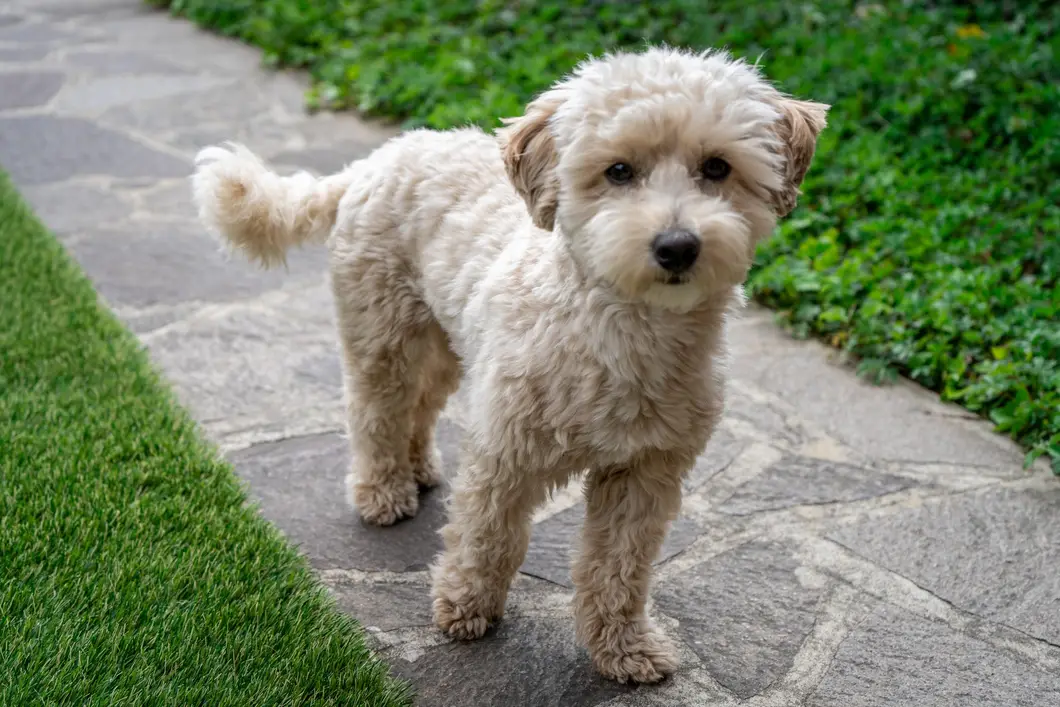
Maltipoo Training Guide: How to Train a Maltipoo Puppy Successfully (2026) Training your Maltipoo is one of the most rewarding parts of dog ownership. These intelligent, affectionate, and people-oriented dogs are eager to learn and naturally enjoy spending time with their families. However, like every puppy, they need consistent guidance, patience, and positive experiences to grow into confident, well-behaved companions. Many first-time owners wonder whether Maltipoos are easy to train. The answer is generally yes. Because they inherit intelligence from the Poodle and a strong desire to bond with people from both parent breeds, most Maltipoos respond very well to positive reinforcement. The key is starting early, remaining consistent, and understanding that training is not something you finish in a week—it’s an ongoing process that continues throughout your dog’s life. One of the biggest mistakes new owners make is expecting a puppy to understand household rules immediately. Your Maltipoo doesn’t instinctively know where to use the bathroom, what objects are appropriate to chew, or when barking is acceptable. These behaviors are learned gradually through patient teaching, repetition, and positive encouragement. Training begins the moment your puppy enters your home. Every interaction teaches something, whether intentionally or unintentionally. Greeting your puppy calmly, rewarding desired behaviors, establishing routines, and setting consistent boundaries all contribute to successful training. Small daily lessons build into lifelong habits. This complete guide explains how to train your Maltipoo from the first day home through adulthood. You’ll learn how to build trust, establish routines, use positive reinforcement, avoid common mistakes, and prepare your puppy for potty training, crate training, leash walking, obedience, and socialization. By the end of this guide, you’ll have a practical roadmap for raising a confident, happy, and well-mannered Maltipoo. (Maltipoo Training Guide) Looking for a healthy Maltipoo puppy? Explore our Maltipoo Puppies for Sale pages to learn about availability, delivery options, and helpful information for families across the United States. 🐾 Maltipoo Puppies for Sale in Texas 🐾 Maltipoo Puppies for Sale in California 🐾 Maltipoo Puppies for Sale in Florida 🐾 Maltipoo Puppies for Sale in New York 🐾 Maltipoo Puppies for Sale in Georgia Are Maltipoos Easy to Train? One of the reasons Maltipoos are among the most popular companion dogs is their excellent trainability. Most Maltipoos enjoy learning because they naturally seek attention and praise from the people they love. Rather than working independently, they typically prefer cooperating with their owners, making them highly responsive to reward-based training. Several factors contribute to their trainability: High intelligence inherited from the Poodle. Strong desire to please their family. Excellent memory for routines. Curiosity and willingness to explore. Adaptability to different living environments. However, intelligence also means they quickly learn both good and bad habits. If jumping on visitors earns attention, they may repeat it. If barking results in being picked up every time, barking can become a learned strategy. This is why consistency from the beginning is so important. Remember that every puppy learns at a different pace. Some may master a command after a few sessions, while others need additional repetition. Comparing your puppy to another dog rarely helps. Focus instead on steady progress and celebrating small improvements.(Maltipoo Training Guide) Did You Know? Studies consistently show that dogs trained with positive reinforcement tend to learn more quickly and retain behaviors better than dogs trained primarily through punishment or harsh corrections. Reward-based training also strengthens the bond between dog and owner. Understanding Maltipoo Intelligence (Maltipoo Training Guide) The Maltipoo benefits from the intelligence of both parent breeds, particularly the Poodle, which is widely recognized as one of the most intelligent dog breeds in the world. Intelligence, however, means more than simply learning tricks. It also includes problem-solving, memory, adaptability, and communication. Many Maltipoos quickly recognize daily routines. They learn when it’s time for meals, walks, bedtime, or play. They also become skilled at interpreting human body language, tone of voice, and facial expressions. This makes them excellent companions but also means they notice inconsistencies in training. Because they’re intelligent, Maltipoos require mental stimulation in addition to physical exercise. Puzzle toys, short obedience sessions, scent games, and interactive play help prevent boredom and keep their minds engaged. Intelligent dogs thrive when given opportunities to think. Rather than repeating the same exercise for long periods, vary training activities and keep sessions enjoyable. When Should You Start Training a Maltipoo Puppy? (Maltipoo Training Guide) Training should begin as soon as your Maltipoo arrives home. Even at eight to ten weeks of age, puppies are already learning from every experience. While very young puppies cannot master advanced obedience, they can begin learning household routines, their name, gentle handling, and simple behaviors. The earliest weeks are especially important because puppies are naturally curious and adaptable. Introducing positive experiences during this stage helps build confidence that lasts into adulthood. Early training focuses on: Learning Their Name Use your puppy’s name frequently in a cheerful tone. Reward eye contact immediately so your puppy learns that responding to their name leads to positive experiences. Building Trust Your puppy should learn that people are safe, predictable, and rewarding. Gentle handling, calm voices, and positive interactions create this foundation. Establishing Routines Regular schedules for meals, potty breaks, naps, and bedtime help puppies understand what to expect and reduce stress. Introducing Basic Commands Simple cues like “Sit,” “Come,” and “Watch Me” can begin during the first weeks using treats and praise. Expert Tip from Dream Land Maltipoos (Maltipoo Training Guide) The first month at home is less about teaching dozens of commands and more about building confidence. A puppy that feels safe learns much faster than one that feels anxious. The First Week at Home The first week shapes your puppy’s impression of their new family. Everything is unfamiliar—new smells, new people, new sounds, and a completely different routine. Your goal is to create a calm environment where your Maltipoo feels secure. Keep introductions gradual. Avoid overwhelming your puppy with large gatherings or constant excitement. Allow them time to explore their new

Maltipoo Health Guide: Common Health Problems, Prevention & Lifespan (2026)
Maltipoo Health Guide: Common Health Problems, Prevention & Lifespan (2026) Bringing a Maltipoo into your family is an exciting experience, and naturally, one of the first questions many prospective owners ask is, “Are Maltipoos healthy dogs?” The encouraging answer is that Maltipoos are generally healthy, affectionate companions that often enjoy long, happy lives when they receive proper care. However, like every breed and crossbreed, they can be predisposed to certain health conditions that owners should understand before bringing a puppy home. Learning about your Maltipoo’s health isn’t about expecting problems—it’s about preventing them whenever possible. Responsible ownership involves much more than feeding your dog and scheduling annual veterinary visits. It includes recognizing early warning signs, maintaining a balanced diet, providing regular exercise, practicing good dental hygiene, keeping vaccinations current, preventing parasites, and establishing healthy routines from puppyhood through adulthood. One of the advantages of the Maltipoo is that it combines characteristics from two beloved breeds: the Maltese and the Miniature or Toy Poodle. This hybrid heritage often results in intelligent, friendly, adaptable dogs that fit well into many different households. While hybrid dogs may sometimes benefit from broader genetic diversity, they can still inherit health conditions that affect one or both parent breeds. Understanding these possibilities allows owners to make informed decisions and work closely with their veterinarian throughout the dog’s life. Good health begins long before a puppy goes home. Responsible breeders carefully select healthy parent dogs, provide excellent prenatal care, maintain clean living conditions, ensure puppies receive appropriate veterinary attention, and begin early socialization. Once your puppy joins your family, your daily decisions regarding nutrition, grooming, exercise, preventive medicine, and regular health monitoring become equally important. This comprehensive guide explains the most common Maltipoo health concerns, how to reduce health risks, the importance of preventive care, expected lifespan, routine veterinary care, vaccinations, parasite prevention, nutrition, exercise, and practical steps you can take to help your companion enjoy the healthiest life possible. Looking for a healthy Maltipoo puppy? Explore our Maltipoo Puppies for Sale pages to learn about availability, delivery options, and helpful information for families across the United States. 🐾 Maltipoo Puppies for Sale in Texas 🐾 Maltipoo Puppies for Sale in California 🐾 Maltipoo Puppies for Sale in Florida 🐾 Maltipoo Puppies for Sale in New York 🐾 Maltipoo Puppies for Sale in Georgia Are Maltipoos Healthy Dogs? Overall, Maltipoos are considered a relatively healthy companion breed. Many live between 12 and 16 years, and some enjoy even longer lives when provided with excellent care. Their longevity is one of the reasons they remain such a popular choice for families, retirees, and first-time dog owners. However, “healthy” does not mean “immune to illness.” Every dog can experience injuries, infections, or inherited conditions during its lifetime. The goal is not to eliminate every possible risk—which is impossible—but to minimize those risks through informed ownership and proactive veterinary care. Several factors influence a Maltipoo’s long-term health, including: Genetics inherited from the parents. Quality of breeding practices. Early veterinary care. Nutrition. Exercise. Dental hygiene. Grooming. Weight management. Parasite prevention. Regular health screenings. Safe living environment. Owners have direct control over many of these factors. By maintaining healthy routines, recognizing changes early, and working closely with a trusted veterinarian, you can significantly improve your dog’s quality of life. 💡 Expert Tip from Dream Land Maltipoos (Maltipoo Vet Care) Good health starts before your puppy is born. Responsible breeding, excellent nutrition, early veterinary care, and careful socialization lay the foundation for a lifetime of well-being. Once your puppy comes home, consistency becomes the key to maintaining that healthy start. Understanding Your Maltipoo’s Genetics (Maltipoo Vet Care) Every Maltipoo inherits traits from both the Maltese and the Poodle. These inherited characteristics influence not only appearance but also temperament, coat type, size, energy level, and potential health considerations. Because Maltipoos are a crossbreed, individual puppies may vary considerably—even within the same litter. Some inherit more Maltese characteristics, while others more closely resemble the Poodle. Understanding this variation helps explain why one Maltipoo may have a curlier coat, a slightly different adult size, or different grooming needs than another. Genetics also plays a role in health. Certain inherited conditions may occur more frequently in one parent breed than the other. Responsible breeders work to reduce these risks by carefully selecting breeding dogs with sound health and good temperaments. Although careful breeding cannot eliminate every medical issue, it can significantly reduce the likelihood of inherited problems and contribute to healthier puppies overall. Owners should remember that genetics represents only part of the picture. Environment, nutrition, exercise, preventive care, and veterinary attention remain equally important throughout a dog’s life. What Is the Average Maltipoo Lifespan? One of the reasons many families choose a Maltipoo is their impressive life expectancy. Most healthy Maltipoos live between 12 and 16 years, with many reaching their mid-teens when provided with excellent care. Some dogs even exceed this range, particularly when they maintain a healthy weight and receive consistent preventive healthcare. Several factors contribute to longevity: Nutrition A balanced diet that supports healthy growth during puppyhood and appropriate body condition throughout adulthood reduces the risk of obesity and many associated health concerns. Exercise Regular physical activity helps maintain muscle strength, cardiovascular health, joint mobility, and mental stimulation. Preventive Veterinary Care Routine examinations allow veterinarians to identify problems before they become serious. Early intervention often results in simpler, more effective treatment. Dental Health Good oral hygiene reduces the risk of periodontal disease, which has been linked to problems affecting other organs, including the heart and kidneys. Mental Well-Being Maltipoos thrive on companionship. Positive interaction, enrichment, and training contribute to emotional well-being, which is an important part of overall health. The Most Common Health Problems in Maltipoos (Maltipoo Vet Care) Although many Maltipoos remain healthy throughout their lives, owners should be aware of several conditions that may occur more frequently in small companion breeds or in one of the parent breeds. Awareness does not mean expecting these problems to occur. Instead, it

Where to Buy a Maltipoo Puppy: The Complete Buyer’s Guide (2026)
Where to Buy a Maltipoo Puppy: The Complete Buyer’s Guide (2026) If you’ve decided that a Maltipoo is the right dog for your family, congratulations—you’ve already taken the first step toward welcoming an intelligent, affectionate, and loving companion into your home. The next step, however, is just as important: choosing where to buy your Maltipoo puppy. While it may be tempting to select the first puppy you see online or the breeder offering the lowest price, your decision can have a lasting impact on your puppy’s health, temperament, and overall quality of life. Today, thousands of websites advertise Maltipoo puppies for sale, but not all breeders follow the same standards of care. Some focus on raising healthy, well-socialized puppies in clean, family environments, while others prioritize producing as many puppies as possible with little regard for health testing, socialization, or long-term welfare. Unfortunately, puppy scams have also become increasingly common, making it essential for buyers to know how to identify trustworthy breeders before making a commitment. A responsible breeder does much more than sell puppies. They carefully plan each litter, monitor the health of the parents, provide appropriate veterinary care, begin early socialization, and remain available to support families long after a puppy goes home. Choosing a breeder who values these principles gives your new companion the best possible start in life and gives you greater confidence throughout your journey as a dog owner. …Where to Buy a Maltipoo Puppy This guide will explain how to identify a reputable Maltipoo breeder, recognize warning signs of scams, understand health testing and contracts, ask the right questions before purchasing, and prepare for bringing your new puppy home. Whether this is your first dog or you’ve owned dogs before, the information in this guide will help you make a confident and informed decision. Looking for a healthy Maltipoo puppy? Explore our Maltipoo Puppies for Sale pages to learn about availability, delivery options, and helpful information for families across the United States. 🐾 Maltipoo Puppies for Sale in Texas 🐾 Maltipoo Puppies for Sale in California 🐾 Maltipoo Puppies for Sale in Florida 🐾 Maltipoo Puppies for Sale in New York 🐾 Maltipoo Puppies for Sale in Georgia Quick Answer: Where to Buy a Maltipoo Puppy? The safest place to buy a Maltipoo puppy is from a responsible breeder who prioritizes the health, temperament, and well-being of every puppy they raise. A reputable breeder will be transparent about their breeding practices, provide veterinary records, discuss the puppy’s parents, answer your questions openly, and remain available after adoption to offer advice and support. Avoid purchasing a puppy solely based on price or attractive photos. Instead, evaluate the breeder’s reputation, communication, health practices, socialization program, and willingness to educate buyers. Whenever possible, ask to see where the puppies are raised, request health documentation, and make sure you fully understand the purchase agreement before making a deposit. Maltipoo Puppy for Sale 💡 Expert Tip from Dream Land Maltipoos on Where to Buy a Maltipoo Puppy The best breeder isn’t always the one with the lowest price or the most puppies available. Responsible breeders often have waiting lists because they focus on quality, health, and proper care rather than producing large numbers of puppies. Choosing carefully at the beginning can save you significant emotional and financial stress in the future. Why Choosing the Right Breeder Matters Bringing a Maltipoo into your home is a commitment that may last 12 to 16 years or more. The breeder you choose influences far more than your puppy’s appearance. Early experiences, health care, genetics, and socialization all play major roles in shaping the dog your puppy will become. Responsible breeders carefully select healthy parent dogs, monitor pregnancies, provide appropriate nutrition, and expose puppies to everyday household sights and sounds during their early weeks of life. These experiences help puppies develop confidence and adapt more easily to new homes. By contrast, puppies raised in poor conditions may be at greater risk of health issues, behavioral challenges, and difficulty adjusting to family life. While no breeder can guarantee that a puppy will never experience medical problems, responsible breeding practices significantly improve the chances of raising a healthy, well-adjusted companion. Choosing a breeder should never be viewed as simply purchasing a puppy. It is the beginning of a relationship with someone who should be genuinely interested in your puppy’s lifelong well-being. The best breeders are happy to answer questions before and after adoption, celebrate milestones with new families, and provide guidance whenever needed. What Makes a Responsible Maltipoo Breeder? Finding a reputable Maltipoo breeder is one of the most important decisions you’ll make before bringing a puppy home. While many websites advertise healthy puppies, not every breeder follows responsible breeding practices. A trustworthy breeder is committed to improving the breed, protecting the health of their dogs, and ensuring that every puppy has the best possible start in life. A responsible breeder carefully selects the parent dogs based on health, temperament, and overall quality rather than simply breeding dogs because they are available. They understand the characteristics of both the Maltese and the Poodle and work to produce puppies with friendly personalities, sound health, and excellent companionship qualities. Responsible breeders also provide clean, safe, and enriching environments where puppies can grow and develop properly. During the first few weeks of life, puppies begin learning about the world around them. Exposure to everyday household sounds, gentle handling, different textures, and positive human interaction helps develop confident puppies that transition more easily into their new homes.(Where to Buy a Maltipoo Puppy) Another characteristic of a reputable breeder is transparency. They are happy to answer questions, explain their breeding program, provide veterinary information, discuss feeding routines, and remain available after the puppy goes home. They want every puppy to succeed in its new family and understand that ongoing support is part of responsible breeding. Finally, good breeders care about where their puppies go. They don’t simply sell to the first person willing to pay. Instead, they spend time