

Maltipoo Grooming Guide: Everything You Need to Know (2026)
Introduction
If you’ve recently welcomed a Maltipoo into your family—or you’re planning to bring one home—you’ve probably already heard that regular grooming is one of the most important parts of caring for this adorable breed. A Maltipoo’s beautiful, soft coat is one of its most lovable features, but it also requires consistent maintenance to keep it healthy, comfortable, and free from painful mats and tangles. Unlike many dog breeds that shed heavily throughout the year, Maltipoos typically have low-shedding coats that continue growing, making routine grooming an essential part of responsible ownership.
Learning how to groom your Maltipoo properly isn’t just about appearance. A good grooming routine helps protect your puppy’s skin, prevents painful knots, reduces the risk of ear infections, keeps the eyes clean, promotes healthy teeth and gums, and even allows you to detect small health concerns before they become serious. Grooming sessions also strengthen the bond between you and your puppy, helping them become comfortable with being handled from an early age.
Many first-time owners worry that grooming a Maltipoo will be difficult or expensive. The truth is that with the right knowledge, quality grooming tools, and a consistent routine, much of your puppy’s grooming can be done comfortably at home. Professional grooming is still recommended every few weeks for trimming and styling, but daily and weekly maintenance is something every owner can learn.
In this complete Maltipoo Grooming Guide, you’ll discover everything you need to know about caring for your puppy’s coat, including brushing techniques, bathing schedules, nail trimming, ear cleaning, dental care, popular haircuts, recommended grooming tools, common mistakes to avoid, and expert tips based on our experience at Dream Land Maltipoos. Whether you’re a first-time dog owner or already have experience with small breeds, this guide will help you keep your Maltipoo healthy, comfortable, and looking its very best throughout every stage of life.
Looking for a healthy Maltipoo puppy? Explore our Maltipoo Puppies for Sale pages to learn about availability, delivery options, and helpful information for families across the United States.
🐾 Maltipoo Puppies for Sale in Texas
🐾 Maltipoo Puppies for Sale in California
🐾 Maltipoo Puppies for Sale in Florida
🐾 Maltipoo Puppies for Sale in New York
🐾 Maltipoo Puppies for Sale in Georgia
Quick Answer: How Do You Groom a Maltipoo?
If you’re looking for the short answer, a Maltipoo should be brushed several times each week, bathed approximately every three to four weeks using a gentle dog shampoo, have its nails trimmed regularly, ears cleaned routinely, teeth brushed several times each week, and receive professional grooming every six to eight weeks depending on coat type and hairstyle. Consistency is far more important than spending hours grooming in one session. Short, regular grooming sessions prevent mats, reduce stress for your puppy, and make every part of the grooming process easier over time.
Every Maltipoo is unique, and grooming needs can vary depending on whether the coat is straighter, wavier, or curlier. Puppies with curlier coats often require more frequent brushing because loose hair becomes trapped within the coat instead of falling out naturally. By developing a regular grooming routine from the time your puppy is young, you’ll help them enjoy grooming rather than fear it.
Expert Tip from Dream Land Maltipoos

Start handling your puppy’s paws, ears, mouth, and tail for a few minutes every day from the time they arrive home. Even if you aren’t performing a full grooming session, this gentle handling teaches your Maltipoo that being touched is normal and safe. Puppies that become comfortable with handling early are usually much easier to groom throughout their lives and experience less stress during veterinary visits and professional grooming appointments.
Why Grooming Is Essential for Maltipoos
Grooming is much more than keeping your Maltipoo looking cute. It is a critical part of maintaining your puppy’s overall health and well-being. Because Maltipoos inherit characteristics from both the Maltese and the Poodle, they often have coats that continue growing instead of shedding heavily like many other breeds. While this low-shedding coat is one of the reasons the breed is so popular, it also means that loose hairs remain trapped within the coat, where they can quickly form tangles and mats if they are not brushed regularly.
Matted fur is more than a cosmetic issue. Tight mats pull on your dog’s skin every time they move, creating discomfort and sometimes even pain. Severe matting can trap moisture, dirt, and bacteria against the skin, increasing the risk of irritation, hot spots, fungal infections, and parasites. In some cases, heavily matted dogs require their entire coat to be shaved by a professional groomer because brushing the mats out would be too painful.
Regular grooming also gives you the opportunity to perform a quick health check. While brushing your Maltipoo, you may notice small lumps, cuts, ticks, dry skin, unusual hair loss, or signs of irritation that would otherwise remain hidden beneath the coat. Detecting these issues early allows you to seek veterinary advice before they become more serious.
Beyond the physical benefits, grooming strengthens the relationship between you and your puppy. Gentle brushing sessions create positive interactions that build trust and confidence. Puppies that learn to enjoy grooming are generally easier to care for throughout their lives because they become comfortable with being touched, examined, and handled. This confidence extends beyond grooming and often makes veterinary visits, nail trims, and even travel less stressful.
Understanding the Maltipoo Coat
One of the reasons Maltipoos are so popular is that no two coats are exactly alike. Because the breed is a cross between the Maltese and the Poodle, each puppy inherits a unique combination of genetic traits from its parents. Some puppies develop coats that resemble the silky hair of the Maltese, while others inherit the tighter curls commonly associated with the Poodle. Many Maltipoos have a beautiful coat that falls somewhere between these two extremes.
Understanding your puppy’s coat type is important because it determines how often you’ll need to brush, how frequently professional grooming may be required, and which grooming tools will work best. Owners who understand their puppy’s coat are much more likely to prevent mats and keep the coat healthy throughout the year.
Wavy Coat
The wavy coat is one of the most common coat types seen in Maltipoos. It combines the soft texture of the Maltese with the gentle curls of the Poodle, creating the classic “teddy bear” appearance that so many families love. Wavy coats require brushing several times each week because loose hair tends to remain trapped within the coat rather than falling away naturally. Without regular brushing, small tangles can quickly develop into larger mats.
Curly Coat
Curly-coated Maltipoos inherit more of the Poodle’s coat characteristics and usually require the most maintenance. Their dense curls are beautiful and often produce the lowest amount of shedding, but they also trap loose hair very effectively. Daily brushing is often recommended to prevent mats from forming close to the skin. Professional grooming appointments are particularly important for curly-coated Maltipoos because trimming helps keep the coat manageable and comfortable throughout the year.
💡 Expert Tip from Dream Land Maltipoos
Never assume that two Maltipoos from the same litter will have identical grooming needs. Coat texture can vary significantly even among siblings. We encourage every new family to observe how quickly their own puppy develops tangles during the first few weeks at home and adjust the grooming routine accordingly rather than following a one-size-fits-all schedule.
How Often Should You Groom a Maltipoo?
One of the most common questions new owners ask is, “How often should I groom my Maltipoo?“ The answer depends on your dog’s coat type, lifestyle, and daily activities, but one thing is certain: grooming should become part of your regular routine rather than something you only do when your puppy starts looking untidy. Consistent grooming prevents problems before they begin and keeps your Maltipoo comfortable throughout the year.
For most Maltipoos, brushing should be done at least three to four times per week, while puppies with curly coats often benefit from daily brushing. Bathing is generally recommended every three to four weeks, although active dogs that spend a lot of time outdoors may occasionally need baths sooner. Nails should usually be trimmed every three to four weeks, ears should be checked and cleaned weekly, and teeth should ideally be brushed every day or at least several times each week.
It’s also important to schedule professional grooming appointments every six to eight weeks. Professional groomers can trim the coat evenly, clean hard-to-reach areas, shape the face, trim around the paws, and identify skin or coat issues that may not be obvious during home grooming. Combining professional grooming with regular home maintenance keeps your Maltipoo looking beautiful while reducing the likelihood of painful mats.
Remember that grooming needs change as your puppy grows. Young puppies have softer coats that are easier to brush, while adult coats often become thicker and require more frequent maintenance. Seasonal weather can also affect grooming schedules, as humid conditions may increase the likelihood of tangles, while dry winter air can contribute to skin dryness if proper coat care is neglected.
💡 Expert Tip from Dream Land Maltipoos
Put your grooming sessions on the same calendar you use for family appointments. Owners who schedule brushing, bathing, and nail trimming are much more likely to stay consistent than those who simply plan to groom “when they have time.”
Daily Grooming Routine
A daily grooming routine doesn’t need to take an hour. In fact, most days, ten to fifteen minutes is enough to keep your Maltipoo’s coat healthy and free from tangles. Short, positive grooming sessions are usually much more effective than long sessions that leave your puppy feeling restless or anxious.
Begin each session by gently running your hands over your puppy’s body. This simple habit allows you to check for small knots, burrs, ticks, cuts, or skin irritation before they become bigger problems. Many owners discover health concerns during these quick daily inspections, making them one of the easiest forms of preventive care.
Next, use a quality slicker brush or pin brush to gently brush through the coat, paying particular attention to areas where mats commonly form. These include behind the ears, under the front legs, around the neck where the collar rests, beneath the belly, and around the tail. Brush slowly and patiently, avoiding sudden pulling motions that could make grooming uncomfortable.
Take a moment to clean around your puppy’s eyes using a soft, damp cloth if tear stains or discharge have accumulated. Fresh water should always be available after grooming, especially during warm weather or after a bath. Finish each session with praise, gentle petting, or a small healthy treat so your Maltipoo associates grooming with positive experiences.
Daily grooming also provides valuable bonding time. Many owners find that these quiet moments strengthen trust and help their puppy become more relaxed with handling, making future grooming appointments and veterinary visits much easier.
Weekly Grooming Checklist
While daily brushing focuses on maintaining the coat, a weekly routine allows you to perform a more complete health and hygiene inspection. Following a checklist ensures that important tasks are never forgotten and helps establish a consistent routine for the entire family.
| Grooming Task | Recommended Frequency | Why It Matters |
|---|---|---|
| Brush the coat | 3–7 times per week | Prevents tangles and mats |
| Check ears | Weekly | Helps prevent ear infections |
| Clean around the eyes | Daily or as needed | Reduces tear stains and irritation |
| Brush teeth | Daily or at least 3 times weekly | Supports dental health |
| Inspect paws | Weekly | Remove debris and check for cuts |
| Trim nails | Every 3–4 weeks | Prevents discomfort and posture problems |
| Bathe | Every 3–4 weeks | Keeps skin and coat clean |
| Professional grooming | Every 6–8 weeks | Maintains coat shape and hygiene |
Following this checklist consistently allows you to detect changes in your puppy’s health before they become serious. It also prevents small grooming tasks from building up into larger, more time-consuming jobs. A little maintenance each week is far easier than trying to fix months of neglected grooming.
💡 Expert Tip from Dream Land Maltipoos

Keep all of your grooming supplies in one organized container or basket. When brushes, shampoo, nail clippers, ear cleaner, and towels are easy to find, you’re much more likely to stick to your grooming schedule.
Best Brushes for Maltipoos
Not every dog brush is suitable for a Maltipoo. Because this breed often has soft, fine, or curly hair, using the wrong brush can either fail to remove tangles or pull painfully on the coat. Choosing the correct grooming tools makes brushing faster, more effective, and much more comfortable for your puppy.
A slicker brush is often considered the most important grooming tool for Maltipoos. Its fine, flexible pins help remove loose hair while gently working through small tangles before they develop into mats. A high-quality slicker brush is suitable for most coat types and is often the first choice of professional groomers.
A stainless steel comb is another essential tool. After brushing, use the comb to check for hidden mats, especially behind the ears, under the legs, and around the tail. If the comb glides smoothly through the coat, you’ve likely removed all tangles successfully.
For Maltipoos with straighter coats, a pin brush may also be useful for everyday maintenance because it helps distribute natural oils while keeping the coat smooth and fluffy. Some owners also keep a detangling spray on hand to help loosen stubborn knots without pulling on the hair.
Although there are many grooming products available, investing in a few high-quality tools is usually better than purchasing many inexpensive items that may not perform well. Good grooming equipment can last for years when properly cared for.
How to Brush a Maltipoo Properly
Brushing your Maltipoo correctly is one of the best ways to prevent painful mats and keep the coat healthy. Many owners brush only the top layer of hair, believing the entire coat has been groomed, when hidden tangles remain close to the skin. These hidden mats often become noticeable only when they have grown large enough to cause discomfort.
Begin by placing your puppy on a stable, non-slip surface where both of you feel comfortable. Spray a light dog-safe conditioning mist if needed to reduce static and make brushing easier. Starting near the feet, gently separate the coat into small sections and brush from the skin outward rather than brushing only the surface. This technique, often called line brushing, ensures that every layer of the coat is reached.
Move slowly up the legs, body, chest, neck, and tail while checking each section with a stainless steel comb. If the comb catches, there is still a tangle that needs attention. Work patiently through small knots instead of pulling hard, which can make grooming painful and create fear during future sessions.
Finish by praising your Maltipoo and rewarding calm behavior. Over time, your puppy will learn that grooming is a pleasant experience rather than something to avoid. This positive attitude will benefit both home grooming and professional grooming appointments throughout your dog’s life.
💡 Expert Tip from Dream Land Maltipoos
Brush your Maltipoo before the coat becomes tangled—not after. Preventing mats is always easier, faster, and more comfortable than trying to remove them later. A few minutes of brushing today can save hours of grooming in the future.
Bathing Your Maltipoo
Bathing is an important part of keeping your Maltipoo healthy, but it should always be done correctly. Many first-time owners believe that frequent baths make their puppy cleaner and healthier. In reality, bathing too often can strip the coat of its natural oils, leaving the skin dry, irritated, and more prone to itching. On the other hand, waiting too long between baths allows dirt, allergens, body oils, and debris to accumulate in the coat, increasing the risk of tangles and unpleasant odors.
For most Maltipoos, a bath every three to four weeks provides the right balance. Puppies that spend a lot of time outdoors, play in muddy areas, or have allergies may occasionally require more frequent bathing, while less active dogs may comfortably follow a slightly longer schedule. The goal is to keep the skin clean without disrupting its natural protective barrier.
Before placing your Maltipoo in the bath, always brush the entire coat thoroughly. This step is often overlooked, yet it is one of the most important parts of the grooming process. Water causes existing tangles to tighten, making them much more difficult—and sometimes painful—to remove afterward. Removing loose hair and small knots before bathing saves time and keeps your puppy more comfortable.
Use lukewarm water rather than hot or cold water, and wet the coat gradually from the neck downward. Avoid spraying water directly into the ears, eyes, or nose. Apply a gentle dog shampoo formulated for sensitive skin, massaging it into the coat with your fingertips instead of your nails. Work the shampoo evenly through every part of the coat, paying extra attention to the paws, chest, belly, and areas that collect dirt most easily.
Take your time rinsing. Shampoo residue left behind can irritate the skin and attract dirt more quickly. Continue rinsing until the water runs completely clear. After the bath, gently squeeze excess water from the coat before wrapping your puppy in a clean, absorbent towel.
💡 Expert Tip from Dream Land Maltipoos
We always recommend brushing before every bath—not after. This simple habit prevents mats from tightening when they become wet and makes the entire grooming process much easier for both the puppy and the owner.
Choosing the Right Shampoo for a Maltipoo
Not every dog shampoo is appropriate for a Maltipoo. Because this breed often has delicate skin and a soft coat, choosing a high-quality shampoo is just as important as learning proper bathing techniques. Harsh shampoos designed for heavily soiled working dogs may remove too much natural oil, leaving the skin dry and uncomfortable.
Look for shampoos that are specifically formulated for puppies or for dogs with sensitive skin. Ingredients such as oatmeal, aloe vera, chamomile, and coconut-based cleansers are often gentle choices that help soothe the skin while cleaning effectively. These products cleanse without removing the natural oils that help keep the coat soft and healthy.
Avoid shampoos containing strong artificial fragrances, harsh detergents, sulfates, or alcohol-based ingredients. Human shampoos should never be used because the pH of human skin is different from that of dogs. Even products marketed as “gentle” for humans can disrupt your Maltipoo’s skin barrier and contribute to irritation over time.
If your puppy has allergies, persistent itching, flaky skin, or another dermatological condition, consult your veterinarian before choosing a medicated shampoo. Using the correct product for your dog’s specific needs can make a significant difference in long-term skin health.
Drying Your Maltipoo After a Bath
Drying your Maltipoo correctly is just as important as the bath itself. Leaving the coat damp for long periods can encourage tangles, create an environment where bacteria or yeast thrive, and leave your puppy feeling uncomfortable.
Start by gently pressing a soft towel against the coat to absorb excess moisture. Avoid rubbing the towel aggressively because this can create tangles, especially in curly or wavy coats. Instead, pat and squeeze the coat carefully until much of the water has been removed.
If your Maltipoo is comfortable with a blow dryer, use one specifically designed for pets or use a household dryer on the lowest heat setting. Keep the dryer moving continuously and never concentrate hot air on one area of the body. While drying, continue brushing the coat with a slicker brush to help separate the hair and reduce the chance of mats forming.
Some puppies may initially be frightened by the sound of a dryer. Introduce it gradually by allowing your puppy to hear the sound from a distance before slowly bringing it closer over several grooming sessions. Reward calm behavior with praise and treats so that drying becomes a positive experience rather than a stressful one.
💡 Expert Tip from Dream Land Maltipoos

Never put a damp Maltipoo to bed or back into a crate immediately after a bath. Moisture trapped close to the skin can contribute to tangles and skin irritation. Always ensure the coat is completely dry before your puppy settles down for a long rest.
How to Prevent and Remove Tear Stains
One of the most recognizable grooming concerns in light-colored Maltipoos is tear staining. These reddish-brown marks beneath the eyes are usually caused by excessive tearing, moisture remaining on the fur, or natural pigments found in tears. While tear stains are generally cosmetic, excessive tearing may sometimes indicate allergies, blocked tear ducts, eye irritation, or other medical conditions that should be evaluated by a veterinarian.
The best approach is prevention. Wipe around your puppy’s eyes each day using a soft, damp cloth or pet-safe eye wipe designed specifically for dogs. Keeping the hair beneath the eyes clean and dry helps reduce staining before it becomes noticeable. Many owners also ask their groomer to keep the facial hair neatly trimmed around the eyes, which reduces moisture buildup and makes daily cleaning easier.
Always examine your Maltipoo’s eyes during grooming sessions. Healthy eyes should appear bright, clear, and free from excessive redness or thick discharge. If you notice swelling, persistent tearing, unusual discharge, or signs that your puppy is rubbing their eyes frequently, schedule a veterinary examination rather than relying solely on cosmetic products.
Cleaning Your Maltipoo’s Ears
Because Maltipoos often have floppy ears, air circulation inside the ear canal is reduced compared with breeds that have upright ears. Warm, moist environments can encourage wax buildup and increase the likelihood of ear infections if regular ear care is neglected.
Check your puppy’s ears at least once each week. Healthy ears should appear light pink, relatively clean, and free from unpleasant odors. A small amount of light-colored wax is normal, but excessive wax, redness, swelling, or a strong smell may indicate an infection that requires veterinary attention.
To clean the ears, use a veterinarian-approved ear-cleaning solution and a soft cotton pad. Gently wipe only the visible part of the ear without inserting cotton swabs deep into the ear canal. Cotton swabs can push debris farther inside and potentially damage delicate ear structures.
After swimming or bathing, make sure the ears are thoroughly dried. Excess moisture trapped inside the ears is one of the most common factors contributing to ear infections in small companion breeds.
💡 Expert Tip from Dream Land Maltipoos
We recommend making ear checks part of your weekly grooming routine rather than waiting until you notice a problem. Most ear infections are much easier to treat when identified early.
Dental Care: Keeping Your Maltipoo’s Teeth Healthy
Many owners focus on their Maltipoo’s coat while forgetting that dental care is just as important. Small dog breeds, including Maltipoos, are naturally more prone to plaque buildup, tartar accumulation, gum disease, and tooth loss than many larger breeds. Poor dental hygiene doesn’t only affect the mouth—it can eventually contribute to heart, liver, and kidney problems if harmful bacteria enter the bloodstream.
The best way to protect your Maltipoo’s oral health is to establish a dental care routine while they are still a puppy. Puppies that become accustomed to having their teeth brushed at a young age usually accept dental care much more willingly as adults. Use a soft dog toothbrush or finger brush along with a toothpaste formulated specifically for dogs. Never use human toothpaste because ingredients such as fluoride and xylitol can be harmful to pets.
Aim to brush your Maltipoo’s teeth daily whenever possible. If daily brushing isn’t realistic, try to brush at least three to four times each week. In addition to brushing, veterinary-approved dental chews, appropriate chew toys, and regular dental examinations help reduce plaque and maintain healthy gums. During grooming sessions, take a quick look inside your puppy’s mouth. Healthy gums should appear pink rather than bright red, and the teeth should be free from excessive tartar buildup or unpleasant odors.
By making dental care part of your regular grooming routine, you not only improve your Maltipoo’s quality of life but may also help reduce expensive veterinary dental procedures later in life.
💡 Expert Tip from Dream Land Maltipoos
We recommend introducing a toothbrush as early as possible—even before all the adult teeth have appeared. Early, positive experiences make lifelong dental care much easier.
Nail Trimming: Why It Should Never Be Ignored
Many owners feel nervous about trimming their puppy’s nails, but neglecting nail care can lead to discomfort, changes in posture, difficulty walking, and even joint stress over time. Nails that become too long may curl, split, or catch on carpets and furniture, potentially causing painful injuries.
Most Maltipoos need their nails trimmed approximately every three to four weeks, although this varies depending on activity level and the surfaces they walk on. Dogs that frequently walk on concrete naturally wear their nails down more than dogs that spend most of their time indoors.
When trimming nails, work slowly and remove only a small amount at a time. If your Maltipoo has light-colored nails, you may be able to see the pink quick inside the nail, which contains blood vessels and nerves. Avoid cutting into this area because it can cause pain and bleeding. For dogs with dark nails, trimming very small amounts gradually is the safest approach.
If you’re uncomfortable trimming your puppy’s nails, don’t hesitate to ask a professional groomer or veterinarian for assistance. Watching a professional perform the procedure can also help build your confidence if you’d like to do it yourself in the future.
Popular Maltipoo Haircuts
One of the most enjoyable parts of owning a Maltipoo is choosing a haircut that matches your dog’s personality and your preferred level of maintenance. Different styles vary in appearance, grooming requirements, and practicality throughout the year.
Puppy Cut
The Puppy Cut is one of the most popular styles because it is both adorable and practical. The coat is trimmed to a similar length across the body, creating a soft, fluffy appearance while making brushing much easier. This style is ideal for families who want a low-maintenance grooming routine without sacrificing the classic Maltipoo look.
Teddy Bear Cut
The Teddy Bear Cut is famous for creating the rounded face and fluffy appearance that many people associate with Maltipoos. The body is neatly trimmed while extra fullness is maintained around the head and cheeks, giving the puppy an irresistibly cuddly expression. This style requires regular brushing to maintain its shape and prevent matting.
Summer Cut
The Summer Cut leaves the coat shorter than usual, helping active dogs stay comfortable during warmer months. Although the coat is trimmed close to the body, it should never be shaved excessively because the coat also provides protection from sun exposure and environmental conditions
Kennel Cut
The Kennel Cut is a practical option for owners seeking the easiest possible maintenance routine. The coat is clipped relatively short all over the body, minimizing tangles and reducing daily brushing time. This style is often recommended for heavily matted dogs or owners with particularly busy schedules
Home Grooming vs. Professional Grooming
Many families wonder whether they should groom their Maltipoo at home or rely entirely on a professional groomer. The truth is that the best approach is often a combination of both.
| Home Grooming | Professional Grooming |
|---|---|
| Daily brushing | Professional haircut |
| Eye cleaning | Nail trimming (if needed) |
| Tooth brushing | Sanitary trimming |
| Ear checks | Coat shaping |
| Minor maintenance | Full grooming session |
| Strengthens bonding | Detects skin issues |
Daily maintenance at home keeps your puppy comfortable between appointments, while professional groomers provide specialized services that require experience and proper equipment.
Common Grooming Mistakes
Even well-intentioned owners can accidentally make grooming more difficult than it needs to be. Avoiding these common mistakes will help keep your Maltipoo healthier and more comfortable.
- Waiting until mats become severe before brushing.
- Bathing without brushing first.
- Using human shampoo instead of dog shampoo.
- Ignoring dental care.
- Forgetting to clean the ears.
- Allowing nails to become too long.
- Pulling aggressively on tangles instead of working through them gently.
- Skipping professional grooming appointments.
- Using dirty brushes or grooming equipment.
- Ending grooming sessions on a negative note instead of rewarding calm behavior.
Small improvements in your grooming routine can make a significant difference over your dog’s lifetime.
💡 Expert Tip from Dream Land Maltipoos
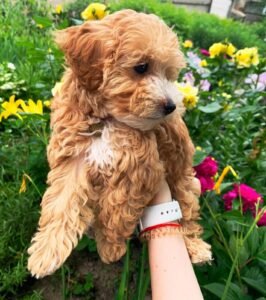
Never rush a grooming session. If your puppy becomes restless, it’s perfectly acceptable to take a short break and continue later. Calm, positive sessions build trust far more effectively than trying to finish everything at once.
Seasonal Grooming Tips
Your Maltipoo’s grooming needs may change throughout the year.
During spring, brush more frequently as the coat changes with the season and outdoor activities increase.
In summer, pay close attention to hydration, brush after outdoor play, and avoid shaving the coat completely since it offers some protection from the sun.
During autumn, inspect the coat after walks for leaves, burrs, and debris that can quickly create tangles.
In winter, keep the coat dry after walks in rain or snow, moisturize dry paw pads if recommended by your veterinarian, and brush regularly to prevent static and knots caused by dry indoor air.
Adjusting your routine to the season helps keep your Maltipoo comfortable year-round.
Our Grooming Routine at Dream Land Maltipoos
At Dream Land Maltipoos, grooming begins long before our puppies join their forever families. We believe early, gentle exposure helps puppies become confident and relaxed during grooming throughout their lives.
Our puppies are introduced to brushing, gentle handling of their paws, ears, and mouths, and the sounds of grooming equipment in a calm, positive environment. Each session is kept short and rewarding so that grooming becomes a normal part of their routine rather than something to fear.
We also monitor each puppy’s coat type as it develops because grooming needs can vary even within the same litter. Before a puppy goes home, we provide families with guidance on maintaining the coat, selecting appropriate grooming tools, and establishing a routine that suits their puppy’s individual needs.
While every puppy is unique, we’ve consistently found that early handling and positive reinforcement help create confident, cooperative dogs that adapt well to both home grooming and professional grooming appointments.
Quick Summary
If you remember only a few things from this guide, remember these:
- Brush your Maltipoo several times each week.
- Always brush before bathing.
- Bathe every three to four weeks using a gentle dog shampoo.
- Clean the eyes and check the ears regularly.
- Brush the teeth several times each week.
- Trim nails every three to four weeks.
- Schedule professional grooming every six to eight weeks.
- Begin grooming while your Maltipoo is still a puppy.
- Reward calm behavior during every grooming session.
- Consistency is more important than perfection.
Frequently Asked Questions About Maltipoo Grooming
How often should I brush my Maltipoo?
Most Maltipoos should be brushed at least three to four times each week, while curly-coated dogs often benefit from daily brushing.
How often should a Maltipoo be professionally groomed?
Every six to eight weeks is appropriate for most Maltipoos, depending on coat type and hairstyle.
Can I shave my Maltipoo in the summer?
A shorter trim is fine, but completely shaving the coat is generally not recommended unless advised by a veterinarian or professional groomer.
What’s the best brush for a Maltipoo?
A quality slicker brush combined with a stainless steel comb works well for most Maltipoo coat types.
Why does my Maltipoo get tear stains?
Tear stains may result from excessive tearing, moisture, genetics, allergies, or irritation. Daily cleaning helps reduce staining.
Do Maltipoos shed a lot?
Most Maltipoos are considered low-shedding, but they still require regular grooming because loose hair becomes trapped in the coat.
How often should I trim my Maltipoo’s nails?
Usually every three to four weeks, depending on activity level.
Can I groom my Maltipoo at home?
Yes. Many owners successfully perform routine grooming at home while visiting a professional groomer every six to eight weeks.
When should I start grooming my Maltipoo puppy?
Begin gentle grooming as soon as your puppy comes home to build confidence and good lifelong habits.
Is grooming really necessary if my Maltipoo doesn’t shed much?
Yes. Low shedding actually means loose hairs remain trapped in the coat, making regular brushing even more important.
Final Thoughts
A consistent grooming routine is one of the greatest gifts you can give your Maltipoo. Beyond keeping your puppy looking adorable, regular grooming supports healthy skin, a clean coat, strong teeth, healthy ears, and overall well-being. By introducing positive grooming habits early, using the right tools, and maintaining a predictable schedule, you’ll help your companion stay comfortable and healthy for years to come.
At Dream Land Maltipoos, we believe that raising healthy puppies goes beyond breeding. It includes educating families so they feel confident caring for their new companion from the very first day. If you’re looking for a healthy, well-socialized Maltipoo puppy or have questions about grooming, nutrition, or training, explore our Available Puppies, learn more About Us, or Contact Us—we’re always happy to help.