
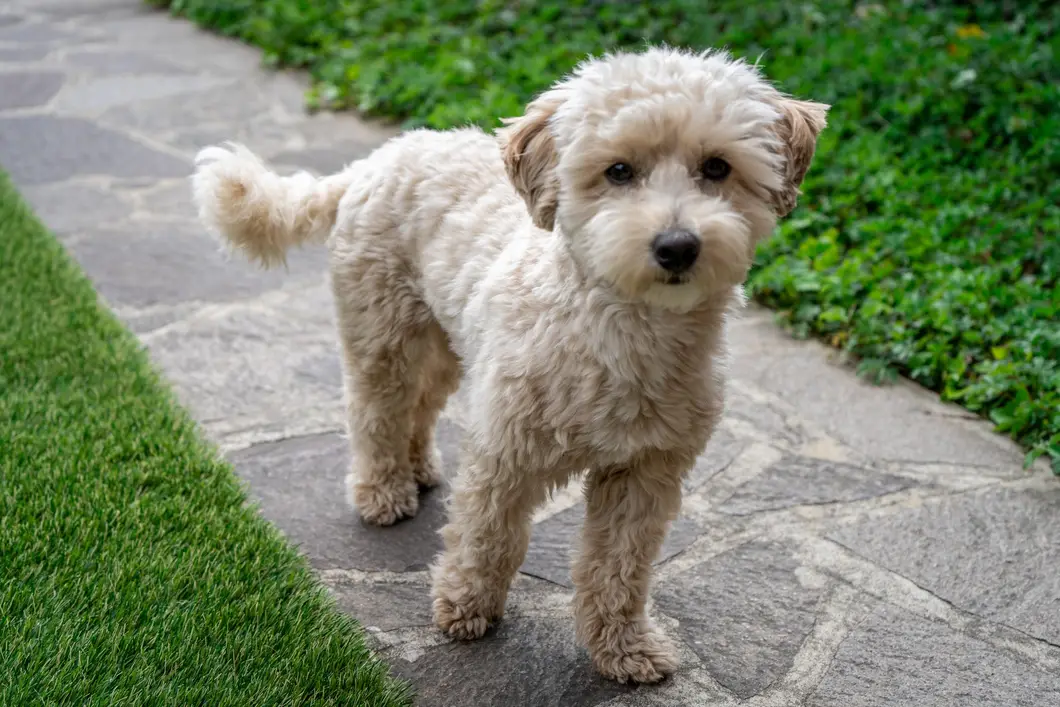
Maltipoo Training Guide: How to Train a Maltipoo Puppy Successfully (2026)

Training your Maltipoo is one of the most rewarding parts of dog ownership. These intelligent, affectionate, and people-oriented dogs are eager to learn and naturally enjoy spending time with their families. However, like every puppy, they need consistent guidance, patience, and positive experiences to grow into confident, well-behaved companions.
Many first-time owners wonder whether Maltipoos are easy to train. The answer is generally yes. Because they inherit intelligence from the Poodle and a strong desire to bond with people from both parent breeds, most Maltipoos respond very well to positive reinforcement. The key is starting early, remaining consistent, and understanding that training is not something you finish in a week—it’s an ongoing process that continues throughout your dog’s life.
One of the biggest mistakes new owners make is expecting a puppy to understand household rules immediately. Your Maltipoo doesn’t instinctively know where to use the bathroom, what objects are appropriate to chew, or when barking is acceptable. These behaviors are learned gradually through patient teaching, repetition, and positive encouragement.
Training begins the moment your puppy enters your home. Every interaction teaches something, whether intentionally or unintentionally. Greeting your puppy calmly, rewarding desired behaviors, establishing routines, and setting consistent boundaries all contribute to successful training. Small daily lessons build into lifelong habits.
This complete guide explains how to train your Maltipoo from the first day home through adulthood. You’ll learn how to build trust, establish routines, use positive reinforcement, avoid common mistakes, and prepare your puppy for potty training, crate training, leash walking, obedience, and socialization.
By the end of this guide, you’ll have a practical roadmap for raising a confident, happy, and well-mannered Maltipoo. (Maltipoo Training Guide)
Looking for a healthy Maltipoo puppy? Explore our Maltipoo Puppies for Sale pages to learn about availability, delivery options, and helpful information for families across the United States.
🐾 Maltipoo Puppies for Sale in Texas
🐾 Maltipoo Puppies for Sale in California
🐾 Maltipoo Puppies for Sale in Florida
🐾 Maltipoo Puppies for Sale in New York
🐾 Maltipoo Puppies for Sale in Georgia
Are Maltipoos Easy to Train?
One of the reasons Maltipoos are among the most popular companion dogs is their excellent trainability. Most Maltipoos enjoy learning because they naturally seek attention and praise from the people they love. Rather than working independently, they typically prefer cooperating with their owners, making them highly responsive to reward-based training.
Several factors contribute to their trainability:
- High intelligence inherited from the Poodle.
- Strong desire to please their family.
- Excellent memory for routines.
- Curiosity and willingness to explore.
- Adaptability to different living environments.
However, intelligence also means they quickly learn both good and bad habits. If jumping on visitors earns attention, they may repeat it. If barking results in being picked up every time, barking can become a learned strategy. This is why consistency from the beginning is so important.
Remember that every puppy learns at a different pace. Some may master a command after a few sessions, while others need additional repetition. Comparing your puppy to another dog rarely helps. Focus instead on steady progress and celebrating small improvements.(Maltipoo Training Guide)
 Did You Know?
Studies consistently show that dogs trained with positive reinforcement tend to learn more quickly and retain behaviors better than dogs trained primarily through punishment or harsh corrections. Reward-based training also strengthens the bond between dog and owner.
Understanding Maltipoo Intelligence (Maltipoo Training Guide)
The Maltipoo benefits from the intelligence of both parent breeds, particularly the Poodle, which is widely recognized as one of the most intelligent dog breeds in the world. Intelligence, however, means more than simply learning tricks. It also includes problem-solving, memory, adaptability, and communication.
Many Maltipoos quickly recognize daily routines. They learn when it’s time for meals, walks, bedtime, or play. They also become skilled at interpreting human body language, tone of voice, and facial expressions. This makes them excellent companions but also means they notice inconsistencies in training.
Because they’re intelligent, Maltipoos require mental stimulation in addition to physical exercise. Puzzle toys, short obedience sessions, scent games, and interactive play help prevent boredom and keep their minds engaged.
Intelligent dogs thrive when given opportunities to think. Rather than repeating the same exercise for long periods, vary training activities and keep sessions enjoyable.
When Should You Start Training a Maltipoo Puppy? (Maltipoo Training Guide)
Training should begin as soon as your Maltipoo arrives home. Even at eight to ten weeks of age, puppies are already learning from every experience. While very young puppies cannot master advanced obedience, they can begin learning household routines, their name, gentle handling, and simple behaviors.
The earliest weeks are especially important because puppies are naturally curious and adaptable. Introducing positive experiences during this stage helps build confidence that lasts into adulthood.
Early training focuses on:
Learning Their Name
Use your puppy’s name frequently in a cheerful tone. Reward eye contact immediately so your puppy learns that responding to their name leads to positive experiences.
Building Trust
Your puppy should learn that people are safe, predictable, and rewarding. Gentle handling, calm voices, and positive interactions create this foundation.
Establishing Routines
Regular schedules for meals, potty breaks, naps, and bedtime help puppies understand what to expect and reduce stress.
Introducing Basic Commands
Simple cues like “Sit,” “Come,” and “Watch Me” can begin during the first weeks using treats and praise.
 Expert Tip from Dream Land Maltipoos (Maltipoo Training Guide)
The first month at home is less about teaching dozens of commands and more about building confidence. A puppy that feels safe learns much faster than one that feels anxious.
The First Week at Home
The first week shapes your puppy’s impression of their new family. Everything is unfamiliar—new smells, new people, new sounds, and a completely different routine. Your goal is to create a calm environment where your Maltipoo feels secure.
Keep introductions gradual. Avoid overwhelming your puppy with large gatherings or constant excitement. Allow them time to explore their new surroundings at their own pace while always providing supervision.
Begin establishing routines immediately. Feed meals at consistent times, take your puppy outside regularly, and maintain predictable sleeping arrangements. Consistency helps reduce anxiety and accelerates learning.
Remember that accidents, whining, and temporary uncertainty are normal during this adjustment period. Respond with patience rather than frustration.
 Common Training Mistake (Maltipoo Training Guide)
Many owners unintentionally overwhelm their puppy during the first few days by inviting numerous visitors or introducing too many experiences at once. While socialization is important, quality is far more valuable than quantity. Allow your puppy to build confidence gradually.
Building Trust Before Teaching Commands
Trust is the foundation of successful training. Before expecting your puppy to respond reliably to commands, focus on becoming a source of safety, comfort, and encouragement.
Spend time playing gently, hand-feeding occasional pieces of kibble during training, speaking calmly, and rewarding curiosity. Avoid yelling, chasing your puppy, or forcing interactions they find frightening.
A puppy that trusts you will naturally pay more attention during training sessions. This relationship becomes the basis for everything you’ll teach in the future.
Why Positive Reinforcement Works Best (How to Train a Maltipoo Puppy)
Positive reinforcement means rewarding behaviors you want to see repeated. Rewards may include treats, praise, toys, play, or affection, depending on what motivates your puppy most.
For example:
- Puppy sits → reward.
- Puppy comes when called → reward.
- Puppy eliminates outside → reward.
- Puppy walks calmly beside you → reward.
The reward tells your puppy, “That behavior was correct.”
Positive reinforcement encourages learning while strengthening your relationship. It also helps create enthusiastic learners rather than fearful ones.
Avoid relying on punishment or intimidation. While these approaches may temporarily suppress behavior, they often create confusion, fear, or reduced confidence.
Did You Know?
Dogs repeat behaviors that produce positive outcomes. This simple learning principle explains why timing matters. Reward your Maltipoo immediately after the desired behavior so they clearly understand what earned the reward.
Common Training Mistakes New Owners Make (Maltipoo Training Guide)
Even experienced dog owners occasionally make mistakes during training. Fortunately, most are easy to correct once recognized. (How to Train a Maltipoo Puppy)
Some of the most common include:
- Expecting progress too quickly.
- Using inconsistent commands.
- Repeating commands several times.
- Training for too long.
- Forgetting to reward good behavior.
- Accidentally rewarding unwanted behaviors.
- Becoming frustrated after mistakes.
- Involving too many family members with different rules.
Consistency is more important than perfection. A few short training sessions each day usually produce better results than one long session.
Creating a Daily Training Routine (How to Train a Maltipoo Puppy)

Dogs learn through repetition. Establishing a predictable daily routine helps your Maltipoo understand expectations while reducing stress.
A simple routine might include:
Morning
- Potty break
- Breakfast
- Five-minute training session
- Short walk or playtime
Afternoon
- Potty break
- Interactive toy
- Basic obedience practice
Evening
- Walk
- Training session
- Quiet family time
- Final potty break before bed
Keeping training sessions short—about five to ten minutes—is usually more effective than extended lessons.
Maltipoo Puppy Training Schedule by Age
8–12 Weeks (How to Train a Maltipoo Puppy)
Focus on:
- Name recognition
- Potty routine
- Crate introduction
- Gentle handling
- Socialization
- Basic “Sit”
3–4 Months
Begin teaching:
- Come
- Stay
- Down
- Loose-leash walking
- Greeting visitors politely
5–6 Months
Increase distractions while practicing:
- Reliable recall
- Longer stays
- Improved leash manners
- Impulse control
- Calm behavior around other dogs
6–12 Months
Continue strengthening:
- Obedience
- Socialization
- Confidence
- Advanced commands
- Everyday manners
Training doesn’t stop once your puppy understands a command. Regular practice in different environments helps create reliable behaviors that last throughout adulthood.
Expert Tip from Dream Land Maltipoos

Think of training as a lifestyle rather than a checklist. Every walk, meal, play session, and family interaction is another opportunity to reinforce good habits and strengthen your bond with your Maltipoo.
How to Potty Train a Maltipoo Puppy (How to Train a Maltipoo Puppy)
Potty training is one of the first and most important lessons your Maltipoo will learn. Although every puppy progresses at a different pace, most Maltipoos can become reliably house-trained with consistency, patience, and a predictable routine. Success doesn’t happen overnight, but by following the same schedule every day, your puppy will quickly understand where and when they should relieve themselves.
The key to successful potty training is preventing accidents whenever possible rather than reacting after they happen. Puppies have very small bladders and limited control during the first few months of life. They need frequent opportunities to go outside, especially after sleeping, eating, drinking, playing, or periods of excitement.
Take your puppy to the same potty area each time. Familiar scents help reinforce the purpose of that location. Once your puppy finishes, immediately reward them with enthusiastic praise, a small treat, or a favorite toy. The quicker the reward follows the behavior, the easier it is for your puppy to understand why they earned it.
If an accident happens indoors, avoid punishment. Your puppy is still learning, and punishment often creates fear rather than understanding. Simply clean the area thoroughly using an enzymatic cleaner to remove odors that may encourage repeat accidents.
Consistency is the greatest predictor of success. Everyone in the household should follow the same potty routine so your Maltipoo receives clear, predictable guidance.
Did You Know?
Most puppies naturally avoid soiling the area where they sleep. This instinct is one reason crate training and potty training work so well together when introduced correctly.
Crate Training Your Maltipoo (Maltipoo Training Guide)
A crate should never be viewed as a punishment. Instead, it should become your Maltipoo’s personal safe space—a quiet place to rest, relax, and feel secure.
Introduce the crate gradually by placing soft bedding, safe chew toys, and occasional treats inside. Leave the door open initially so your puppy can explore without feeling trapped. Feed meals near or inside the crate to create positive associations.
As your puppy becomes comfortable, begin closing the door for short periods while remaining nearby. Gradually increase the duration as your puppy gains confidence.
Crate training offers several benefits:
- Supports potty training.
- Provides a safe resting place.
- Helps during travel.
- Prevents destructive chewing when unsupervised.
- Creates a familiar environment during stressful situations.
Avoid leaving young puppies in a crate for excessive periods. Puppies require regular bathroom breaks, exercise, social interaction, and mental stimulation throughout the day.
Common Training Mistake (How to Train a Maltipoo Puppy)
Never use the crate as a punishment after unwanted behavior. If the crate becomes associated with negative experiences, your puppy may resist entering it and lose the sense of security it should provide.
Teaching Basic Obedience Commands (Train a Maltipoo Fast)
Basic obedience creates the foundation for a well-behaved companion. Rather than teaching many commands at once, focus on one skill at a time and practice in short, enjoyable sessions.
Sit (Train a Maltipoo Fast)
Hold a treat just above your puppy’s nose and slowly move it backward over the head. As the puppy naturally sits to follow the treat, say “Sit,” then immediately reward.
Stay (Train a Maltipoo Fast)
Ask your puppy to sit, hold your hand out like a stop sign, and say “Stay.” Take one small step backward. If your puppy remains in place for a few seconds, return and reward before gradually increasing time and distance.
Come (Train a Maltipoo Fast)
Reliable recall is one of the most valuable commands your Maltipoo can learn. Call your puppy in a cheerful voice while moving backward slightly. Reward generously every time they come to you. Never punish your puppy after they come when called, even if they were doing something they shouldn’t.
Down (Train a Maltipoo Fast)
Guide a treat from your puppy’s nose toward the floor and slightly forward. As they lie down to follow the treat, reward immediately and offer calm praise.
Leave It (Train a Maltipoo Fast)
This command helps protect your puppy from unsafe objects. Begin with low-value items and reward your puppy for ignoring them and focusing on you.
Practice these commands daily in different environments so your Maltipoo learns to respond even when distractions are present.
Leash Training Made Easy (How to Train a Maltipoo Puppy)
Walking politely on a leash doesn’t happen automatically. Puppies need time to become comfortable wearing a collar or harness before learning to walk calmly beside you.
Start indoors where distractions are minimal. Allow your puppy to wear the harness for short periods while playing or receiving treats. Once comfortable, attach the leash and encourage your puppy to follow you around the house.
During outdoor walks, avoid pulling your puppy forward. If the leash becomes tight, simply stop walking. When your puppy returns attention to you and the leash becomes loose again, continue walking.
Reward calm walking frequently during the early stages. Over time, your Maltipoo will learn that staying close keeps the walk moving.
How to Stop Excessive Barking (Train a Maltipoo Fast)
Barking is a natural form of communication, but excessive barking can become frustrating if not addressed appropriately.
Instead of trying to eliminate barking entirely, identify why your Maltipoo is barking. Common reasons include excitement, boredom, alerting to unfamiliar sounds, seeking attention, or anxiety.
Provide sufficient daily exercise and mental stimulation to reduce boredom. Reward quiet behavior instead of only responding when barking occurs. If your puppy barks for attention, avoid reinforcing the behavior by immediately picking them up or engaging with them.
Teaching a “Quiet” cue can also be helpful. Wait for a brief pause in barking, calmly say “Quiet,” then reward the silence. Over time, your puppy will associate the cue with remaining calm.
Expert Tip from Dream Land Maltipoos (How to Train a Maltipoo Puppy)

A tired puppy is usually a quieter puppy. Many barking problems improve naturally when puppies receive enough physical exercise, mental enrichment, and consistent daily routines.
Preventing Separation Anxiety (How to Train a Maltipoo Puppy)
Because Maltipoos form strong bonds with their families, they may struggle when left alone if independence isn’t introduced gradually.
Begin by leaving your puppy alone for very short periods while providing safe toys or food puzzles. Return calmly without making departures or arrivals overly emotional.
Gradually increase the amount of time your puppy spends alone as confidence grows. This teaches your Maltipoo that you always return and that being alone is temporary.
Avoid creating a routine where your puppy is constantly carried or receives attention every moment of the day. Encouraging healthy independence from an early age helps prevent anxiety later in life.
Socializing Your Maltipoo Puppy
Socialization is not simply meeting as many people and dogs as possible. It’s about creating positive experiences with the world around your puppy.
Expose your Maltipoo gradually to:
- Adults.
- Children.
- Friendly vaccinated dogs.
- Veterinary clinics.
- Grooming equipment.
- Household appliances.
- Car rides.
- Different walking surfaces.
- Busy and quiet environments.
- Everyday sounds.
Allow your puppy to observe at their own pace without forcing interactions. Positive experiences build confidence, while overwhelming situations can create lasting fear.
Did You Know? (Maltipoo Training Guide)
The most effective socialization occurs during the early months of life, but learning never truly stops. Continued positive experiences throughout adulthood help maintain confidence and adaptability.
Advanced Training and Mental Enrichment (How to Train a Maltipoo Puppy)
Once your Maltipoo has mastered basic obedience, continue challenging their mind. Intelligent dogs enjoy learning new skills and often become even more responsive with ongoing training.
Ideas include:
- Trick training.
- Scent games.
- Puzzle feeders.
- Hide-and-seek.
- Agility foundations.
- Target training.
- Fetch.
- Spin.
- High-five.
- Toy identification games.
Advanced training strengthens communication while providing valuable mental stimulation that helps prevent boredom.
Frequently Asked Questions About Maltipoo Training (Maltipoo Training Guide)

At what age should I start training my Maltipoo? (Maltipoo Training Guide)
Training begins the day your puppy comes home. Even very young puppies can learn routines, their name, and simple commands.
Are Maltipoos easy to potty train?
Yes. With consistency, positive reinforcement, and a regular schedule, most Maltipoos learn successfully.
How long should training sessions last?
Five to ten minutes is ideal for young puppies. Multiple short sessions are usually more effective than one long lesson.
Should I use treats every time?
Treats are helpful during the learning stage. As behaviors become reliable, gradually replace some treats with praise, toys, or play.
Why does my Maltipoo ignore commands outside? (Maltipoo Training Guide)
Outdoor environments contain many distractions. Practice in quiet places first before gradually increasing distractions.
Is crate training necessary? (Maltipoo Training Guide)
While not mandatory, crate training can greatly assist with potty training, travel, and creating a safe resting space.
Why does my Maltipoo bark so much?
Common reasons include boredom, excitement, attention-seeking, unfamiliar sounds, or anxiety. Identifying the cause is the first step toward reducing excessive barking.
Can older Maltipoos still be trained? (Maltipoo Training Guide)
Absolutely. Dogs continue learning throughout life. Older dogs may simply require more patience and repetition.
What is the best training method? (Maltipoo Training Guide)
Positive reinforcement is widely regarded as the most effective and humane approach for companion dogs.
How can I make training enjoyable? (How to Train a Maltipoo Puppy)
Keep sessions short, use rewards your puppy enjoys, end on a positive note, and celebrate small successes.
Final Thoughts
Training your Maltipoo is an investment that pays lifelong rewards. Every lesson strengthens communication, builds trust, and helps your puppy become a confident member of your family. Progress may sometimes feel slow, but consistency, patience, and positive reinforcement create lasting results.
At Dream Land Maltipoos, we believe training starts with responsible breeding, early socialization, and continued support for every family. We encourage new owners to combine the techniques in this guide with regular veterinary care, proper nutrition, and ongoing enrichment to help their Maltipoo thrive.
If you’re still searching for your perfect companion, be sure to visit our Available Puppies page. You can also explore our Maltipoo Feeding Guide, Maltipoo Grooming Guide, Maltipoo Health Guide, learn more About Us, read our Reviews, or Contact Us if you have any questions. We’re always happy to help you begin your journey with a happy, healthy, and well-trained Maltipoo.